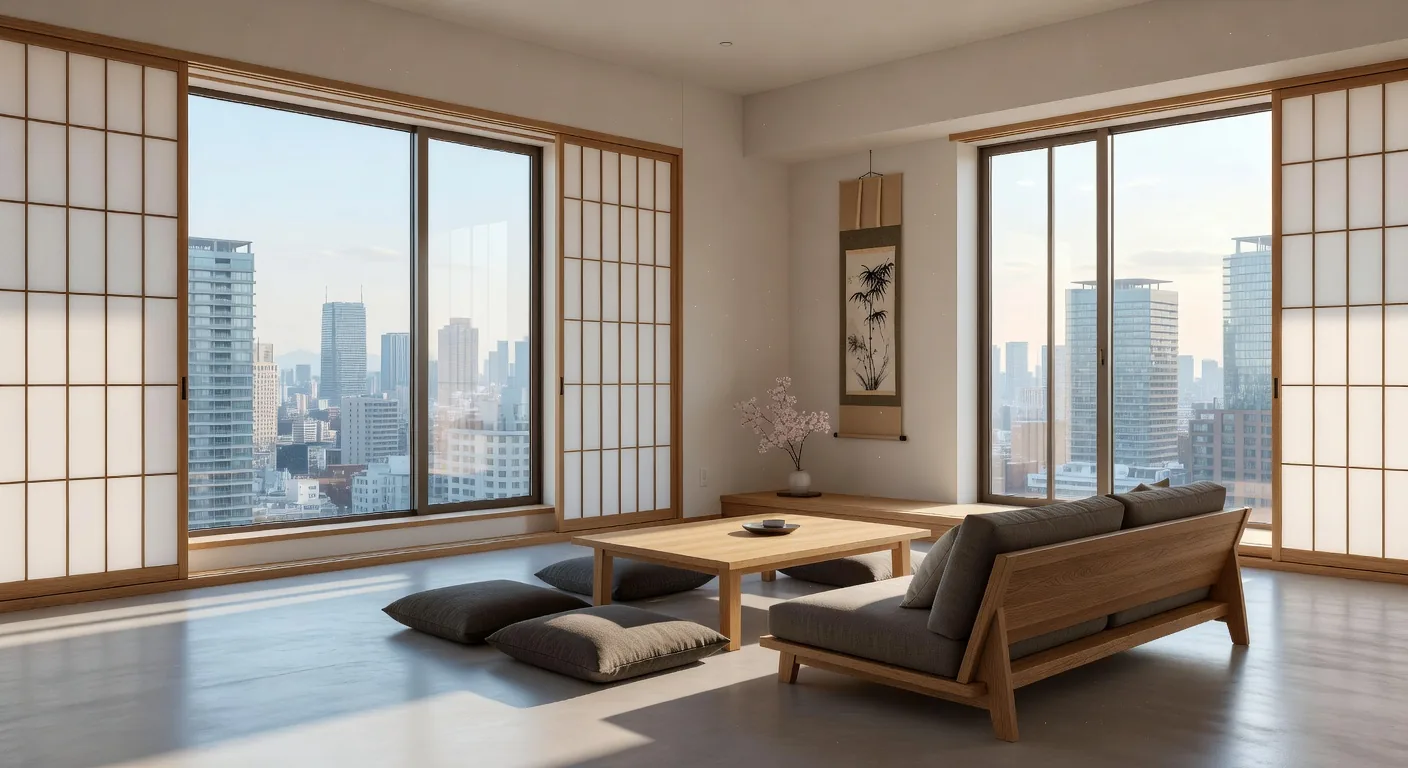
Tokyo is not one city — it is many cities layered on top of one another, each neighborhood a distinct universe with its own aesthetic rules, its own loyalties, its own version of what beautiful means.
For the design-oriented traveler, Tokyo is inexhaustible. The city rewards curiosity and rewards it again: a gallery in Minami-Aoyama leads to a conversation that leads to a studio visit in Koenji that opens onto a world of craft and intention you could spend a lifetime exploring. This guide offers a starting point.
Design Districts at a Glance
Minami-Aoyama
The luxury design corridor: flagship architecture, contemporary galleries, and the world's great Japanese brands.
Daikanyama
The neighborhood that made cool understated — boutiques, independent booksellers, and impeccable coffee.
Shimokitazawa
Tokyo's most creative enclave: vintage fashion, theatre, and the emerging generation of Japanese designers.
Yanaka
Old Tokyo preserved: traditional craftspeople, potters, woodworkers, and the finest soba noodles in the city.
Roppongi
Home to Mori Art Museum and the National Art Center — Tokyo's major contemporary art hub.
Harajuku
Fashion's most fertile ground: where global trends are absorbed, transformed, and made emphatically Japanese.
Minami-Aoyama: The Luxury Corridor
The stretch of Omotesando between Harajuku and Minami-Aoyama is Tokyo's most architecturally ambitious commercial street. Here, every major luxury brand has commissioned a significant building: Tadao Ando's underground Omotesando Hills complex; Toyo Ito's tower of interlocking loops for Tod's; SANAA's perforated aluminium form for Dior. To walk this street slowly is to experience a survey of early 21st-century architecture with unusual concentration.
Beyond the flagship buildings, Minami-Aoyama contains some of Tokyo's finest galleries — TARO NASU, Tomio Koyama Gallery, and the extraordinary Spiral building, which houses exhibitions, a café, and a shop for Japanese design objects of rare quality. The neighborhood rewards deep exploration: turn off the main street and into the quiet lanes where independent boutiques and small studios occupy the ground floors of residential buildings.
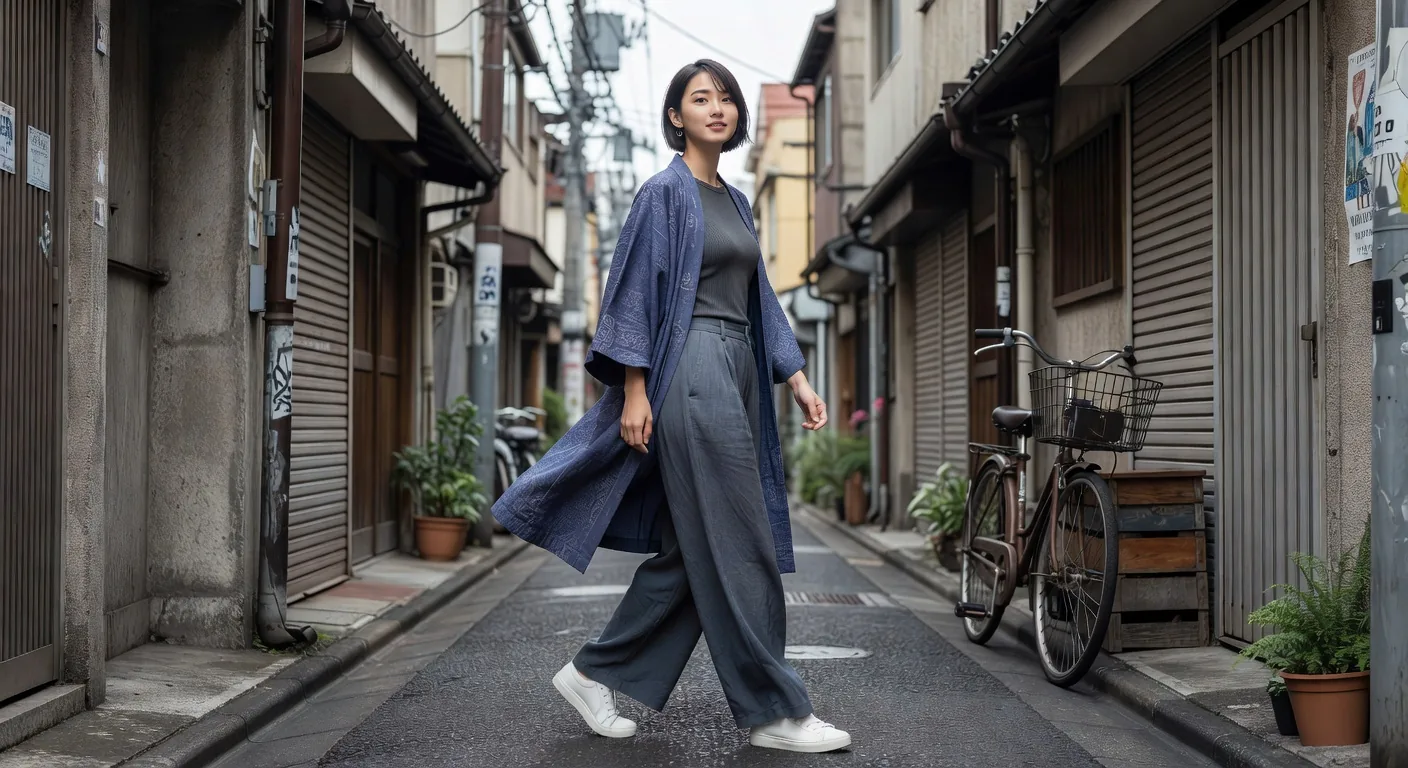
Daikanyama: The Understated Neighborhood
If Minami-Aoyama is Tokyo's showroom, Daikanyama is its living room. This small, residential neighborhood in Meguro has quietly become one of the city's most sophisticated design destinations — not through spectacle, but through the consistent excellence of its independent businesses.
The centerpiece is Daikanyama T-Site: three buildings connected by walkways and planted terraces, housing the finest bookshop in Japan — Tsutaya Books — alongside a music shop, gallery, café, and stationery store. The whole complex is designed by Klein Dytham architecture with extraordinary thoughtfulness: it is a place where slowing down feels natural, where you might spend three hours and feel that time has passed well.
"Daikanyama has the quality of a very good sentence: nothing is wasted, everything belongs, and the whole is better than the sum of its parts."
Yanaka: Old Tokyo Preserved
While most of Tokyo was rebuilt after the 1923 earthquake and again after the Second World War, Yanaka survived both catastrophes largely intact. Walking its narrow streets today is as close as the modern city comes to pre-war Tokyo — wooden shopfronts, temples and cemeteries dating to the Edo period, craftspeople practicing trades passed down through generations.
The Yanaka Ginza shopping street is the neighborhood's social heart: modest restaurants, tofu shops, pickled vegetable stores, and at each end, views through the traditional rooftops toward the distant outlines of modern Tokyo. It is a neighborhood that gives Tokyo its depth — a reminder that beneath the city's contemporary energy lies a continuous history, still alive and inhabited.
Where to Stay
For design-conscious travelers, the best accommodation in Tokyo is in the growing number of boutique hotels that have invested in genuine aesthetic identity. The Claska in Meguro offers rooms designed by emerging Japanese designers and has a gallery and shop of rare quality. BnA Alter Museum in Koenji is a hotel-gallery hybrid where every room is a commissioned artwork. For something more traditional, the numerous ryokan scattered through Yanaka and Nezu offer the experience of sleeping in a genuine Japanese space — futon on tatami, wood-fired bath, breakfast served with quiet ceremony.