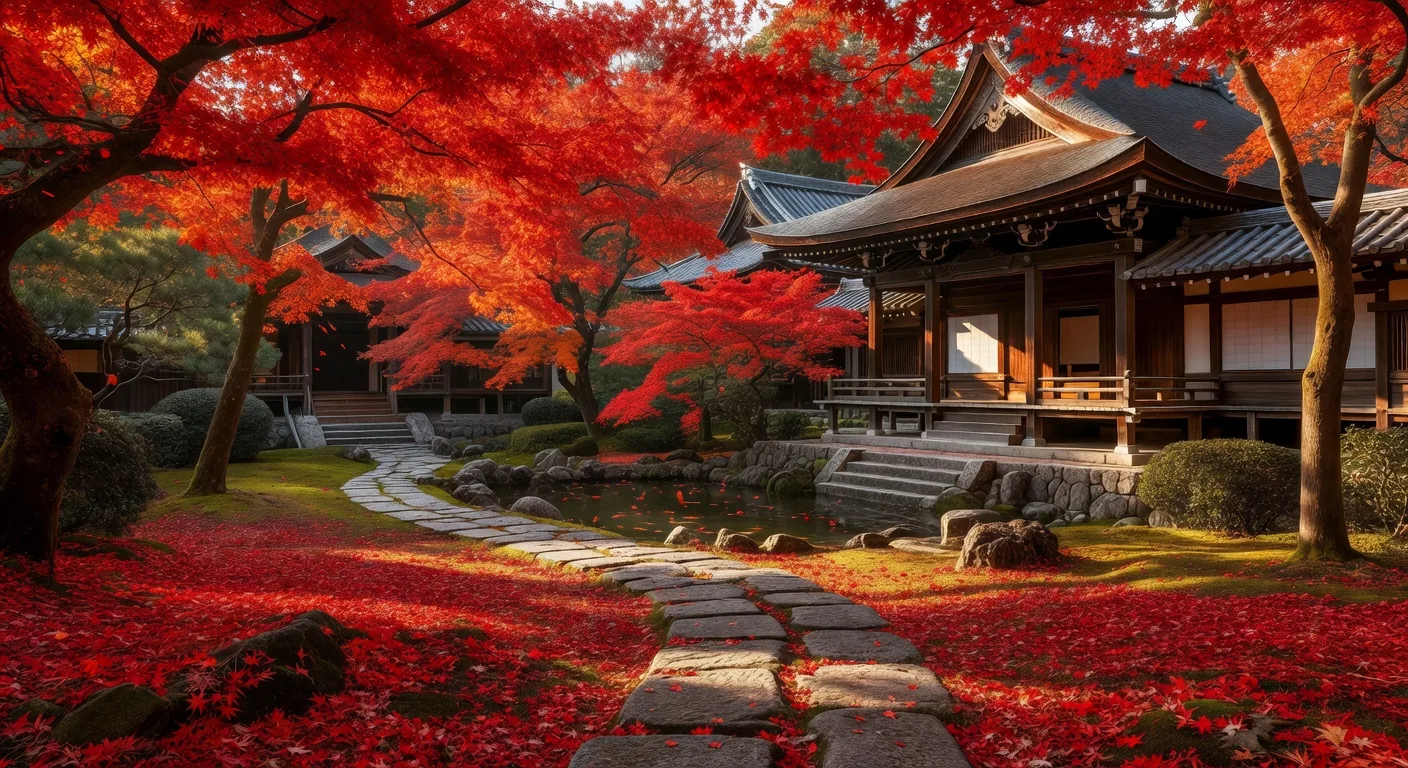
Kyoto is not a city that looks backward — it is a city that holds the deep past alive in the present. Here, a weaver in Nishijin may be producing the same textile patterns that clothed the emperor a thousand years ago, but doing so with contemporary consciousness and purpose.
Japan's ancient capital holds an extraordinary concentration of design heritage. It was here that many of the country's most significant craft traditions were developed and refined over centuries of imperial patronage. Nishijin weaving, Kyo-yaki ceramics, Kyo-nuri lacquerware, Kyo-yuzen dyeing — the list of Kyoto's living craft traditions reads like a survey of Japanese material culture itself.
Kyoto's Living Craft Traditions
Nishijin Weaving
The textile district of Nishijin has produced luxury silk fabrics for over 1,200 years. The complex Jacquard looms produce some of the world's most intricate textile patterns.
Kyo-Yaki Ceramics
Kyoto's ceramics tradition encompasses multiple distinct schools — Raku, Kenzan, Ninsei — each with its own aesthetic philosophy and technical approach.
Kyo-Yuzen Dyeing
Japan's most celebrated textile-dyeing technique: rice-paste resist dyeing that produces extraordinary painted effects on silk.
Kyo-Nuri Lacquerware
Kyoto lacquerware is notable for its transparent finishes, which reveal the grain of the wood beneath rather than concealing it.
The Machiya Districts
Kyoto's machiya — the traditional wooden townhouses described in our architecture guide — survive in significant numbers in several city districts. The area around Sanjo-Nishiki market is particularly well-preserved, with whole streets of interlocking wooden facades still in use as shops, restaurants, and residences.
Many machiya have been thoughtfully converted in recent years. The transformation of these buildings into boutique hotels, cafés, and galleries has become one of the most significant threads in contemporary Kyoto design culture — a demonstration that traditional architecture can be inhabited and enjoyed without being museumified.
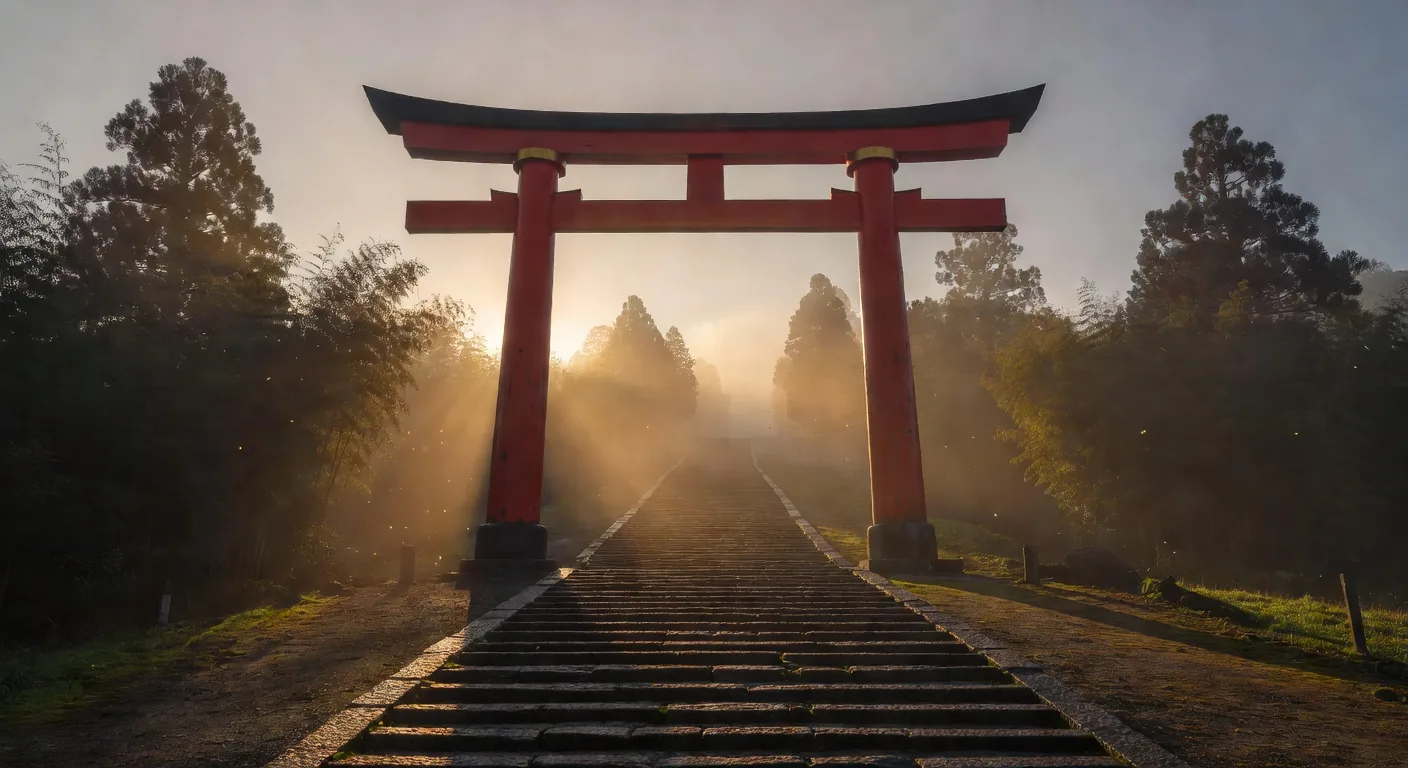
Temple Gardens: The Art of Designed Nature
Kyoto's temple gardens represent one of the world's great landscape traditions. The stroll garden (kaiyushiki), the dry landscape garden (karesansui), and the contemplation garden (shakkei) are distinct types, each with its own philosophy of how human beings should relate to natural forms.
The karesansui of Ryoanji — fifteen stones arranged in white raked gravel, enclosed by low clay walls — is perhaps the most famous garden in Japan, and one of the most analyzed works of art in the world. Yet no analysis fully accounts for the experience of sitting before it: a profound and inexplicable sense of rightness, as if the arrangement of stones and sand has disclosed something essential about the nature of space itself.
"Kyoto gardens do not represent nature — they distill it. They take the essential structure of mountain, stream, and forest and concentrate it into a space you can hold in a single glance."
Essential Gardens to Visit
- Ryoanji — The iconic karesansui, best visited at opening before the crowds arrive
- Saihoji (Kokedera) — The moss garden, requiring advance reservation and offering an experience of extraordinary quietude
- Katsura Rikyu — The imperial villa's stroll garden, considered the pinnacle of Japanese garden design
- Shisendo — A samurai's hermitage garden in Ichijoji, less visited and entirely beautiful
- Tofukuji — The grid-pattern garden designed by Mirei Shigemori in 1939 — a masterpiece of modern garden design in dialogue with Zen tradition
Contemporary Kyoto: Design Now
Kyoto's contemporary design culture is less visible than Tokyo's but no less vital. The city supports a remarkable concentration of craft-based designers working at the intersection of tradition and innovation. The Kyoto Design Lab at Kyoto Institute of Technology is one of Japan's most significant design research institutions, and the ROHM Theatre Kyoto is an extraordinary venue for contemporary performance art in a beautifully renovated modernist building.
The annual Kyoto Design Week brings together designers, craftspeople, and cultural institutions across the city in a series of open studios, exhibitions, and events. For the design traveler, timing a visit to coincide with this event unlocks access to workshops and studios that are otherwise difficult to reach.
For shopping, the Teramachi and Shinkyogoku shopping arcades near the Gion district contain a remarkable concentration of traditional craft shops: umbrellas, fans, combs, lacquerware, textiles, ceramics. Many of these businesses have operated continuously for generations, and their owners carry knowledge that no museum can replicate.