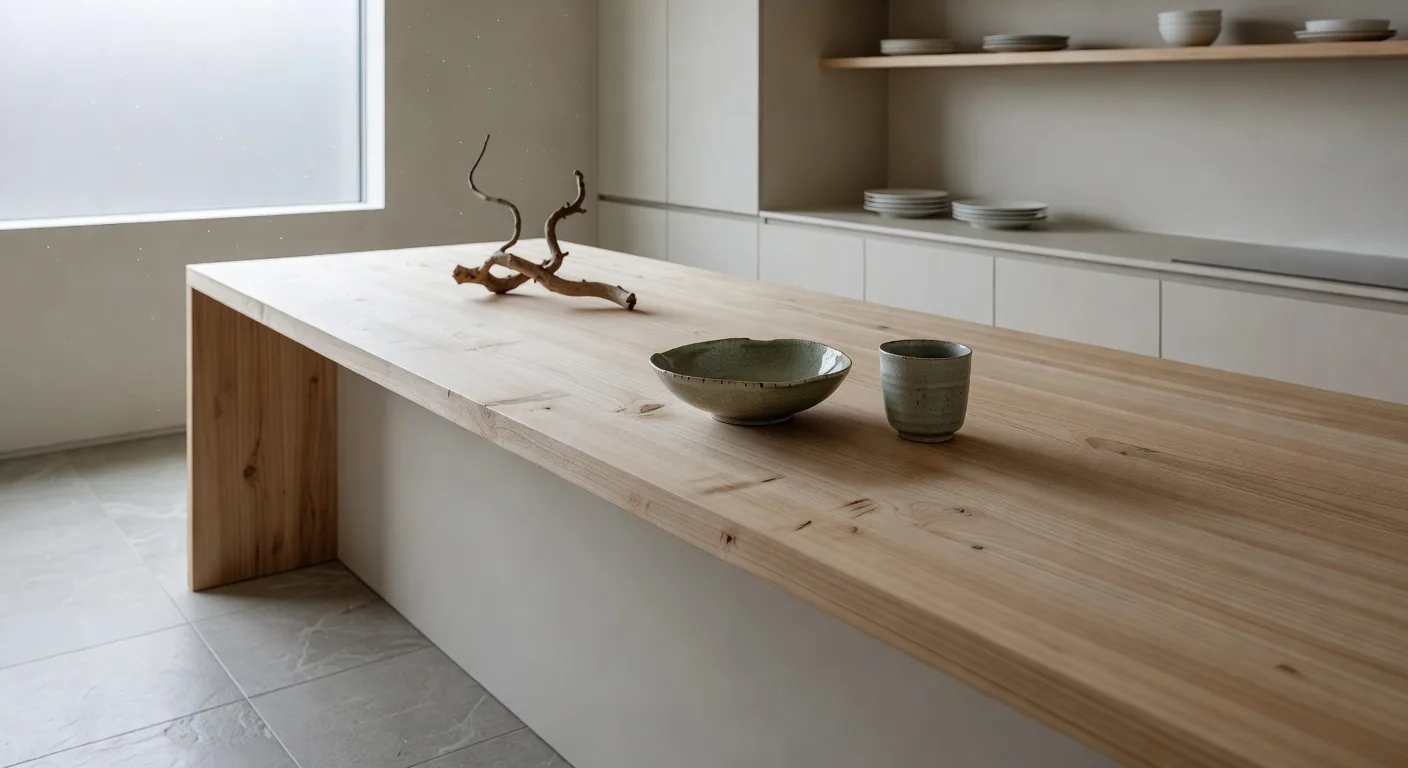
Japanese interior design is not a style — it is a way of seeing. It is about editing, about silence, about the profound beauty that emerges when you remove everything superfluous and let what remains speak fully.
Few design traditions have had as much global influence as Japan's approach to interior space. From the rise of minimalism in Western architecture to the international spread of Marie Kondo's tidying philosophy, Japan's spatial sensibilities have reshaped how millions of people think about their homes.
But to truly understand Japanese interior design, one must go beyond the aesthetic surface — the clean lines, the natural materials, the restrained palettes — and engage with the underlying philosophies that give the spaces their quiet power.
Wabi-Sabi: The Beauty of Imperfection
Wabi-sabi is perhaps the most important concept in Japanese aesthetics, yet it resists simple definition. It is a compound of two words: wabi, originally meaning poverty or rusticity, and sabi, the beauty that comes with age and wear. Together, they describe an appreciation for things that are imperfect, impermanent, and incomplete.
In interior design, wabi-sabi manifests as a preference for handmade objects over mass-produced ones, aged timber over pristine marble, and asymmetry over studied balance. A cracked ceramic bowl repaired with gold lacquer — the ancient art of kintsugi — is the perfect emblem: the imperfection is not hidden but highlighted, celebrated as part of the object's history.
"The Japanese don't just accept the patina of time — they revere it. Each mark of wear is a record of life, a note in the object's biography."
To bring wabi-sabi into your home, resist the urge toward perfection. Choose natural materials — linen, raw wood, unglazed ceramics — that will develop character over time. Let walls show texture. Arrange objects with space around them so they can breathe and be truly seen.
Ma: The Philosophy of Negative Space
The Japanese concept of ma (間) translates roughly as "pause" or "negative space," but its meaning in architecture is both simpler and more profound: it is the deliberate use of emptiness as a positive element of design.
In a traditional Japanese room, what is absent is as important as what is present. The empty corner invites the eye to rest. The unadorned wall becomes a canvas for the shifting quality of natural light. The space between objects allows each one to exist fully without competition.
This stands in sharp contrast to many Western interior traditions, which tend to fill every corner, cover every surface, and treat emptiness as a problem to be solved. In Japanese design, the empty space is the solution.
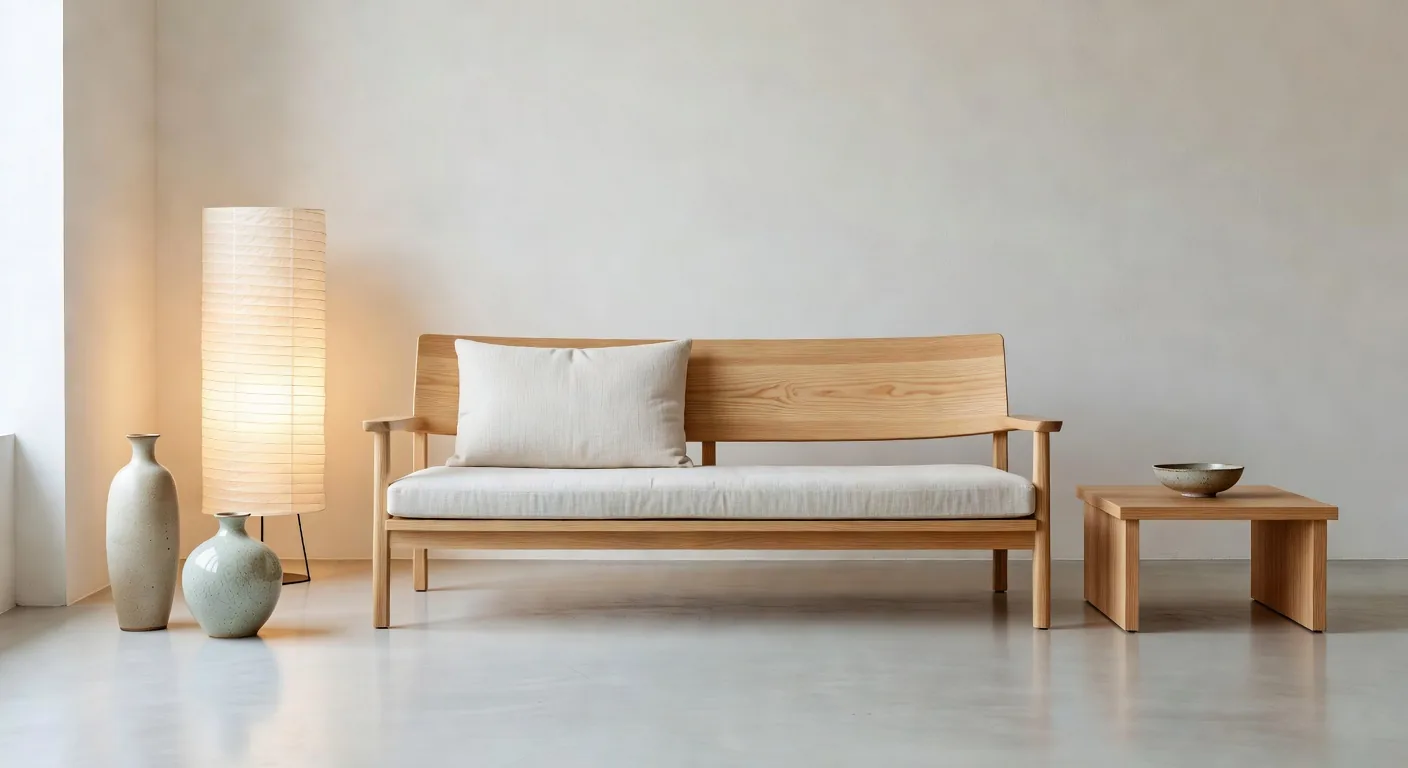
The Tatami Room: Japan's Sacred Space
No element of Japanese domestic architecture is more distinctive — or more philosophically loaded — than the tatami room (washitsu). Covered in mats of woven rush grass, the tatami room represents a complete spatial philosophy: multi-functional, seasonally adaptive, and deeply grounded in material culture.
The Logic of Tatami
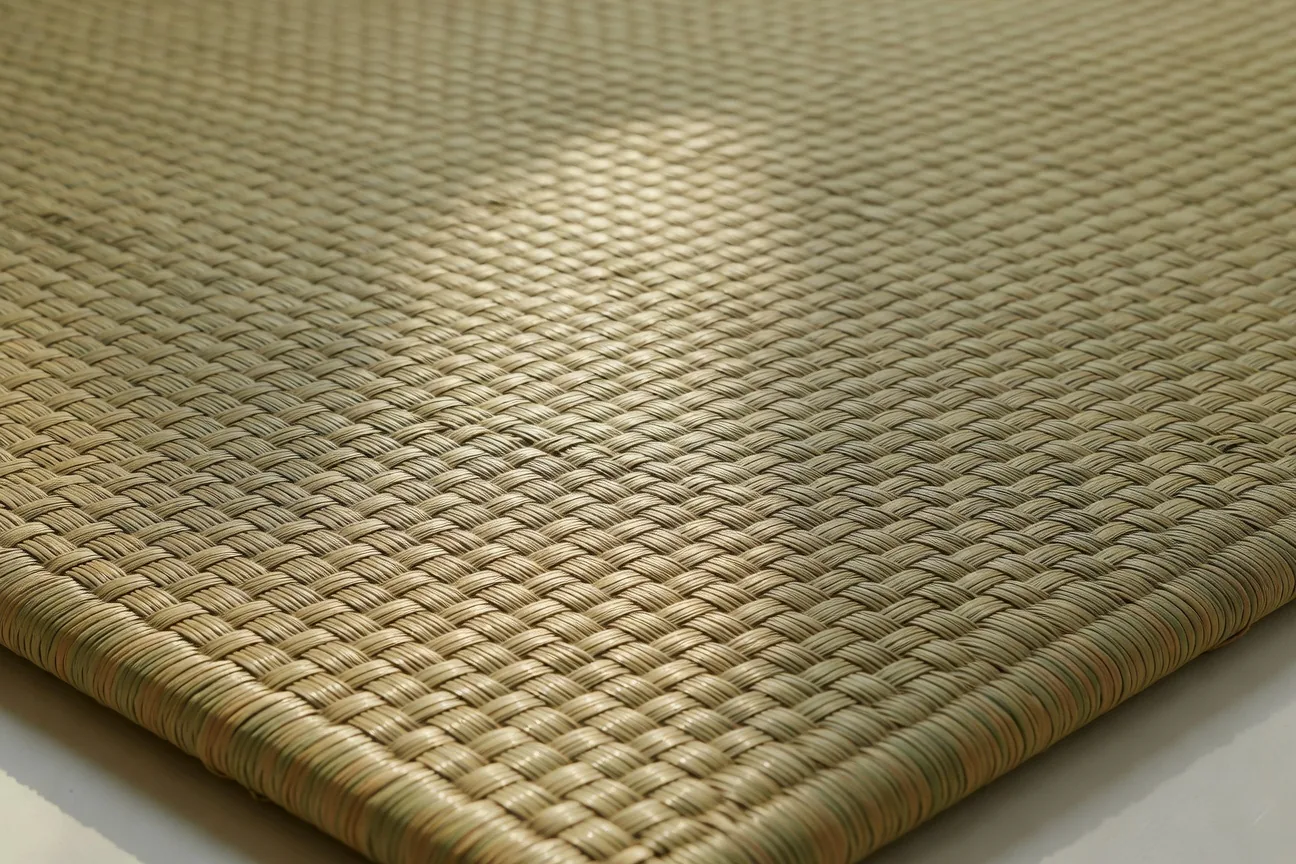
Tatami mats are standardized in size — roughly 90cm × 180cm — and Japanese rooms have historically been measured by the number of mats they contain. This modular logic created a system of proportional harmony in which every space related to every other space through simple numerical ratios.
The mats themselves are multisensory objects. Their woven surface is firm yet slightly yielding underfoot. They emit a faint, clean scent. They regulate humidity, absorbing moisture in summer and releasing it in winter. To live on tatami is to live in sensory relationship with a material.
Shoji: Light Made Visible
The shoji screen — a lattice frame covered in washi paper — is the perfect boundary object: it divides space while allowing light to pass through. A room with shoji walls is never simply lit; it is suffused with a luminous ambiguity that transforms through the day as the sun moves.
The architectural theorist Junichiro Tanizaki described this quality in his seminal essay In Praise of Shadows: Japanese aesthetics are inseparable from shadow, from the spaces that light does not fully reach, from the beauty that exists in penumbra.
Minimalism: Japanese Roots, Global Reach
The Western minimalism of Mies van der Rohe and Donald Judd shares important DNA with Japanese spatial principles, but Japanese minimalism carries different intentions. Where Western minimalism is often ideological — a refusal of decoration, a statement about industrial modernity — Japanese minimalism is spiritual. It is about creating space for contemplation, for presence, for the quality of attention.
Key principles for Japanese-influenced minimalist interiors include:
- Monochromatic palettes drawn from nature: off-whites, warm greys, deep charcoal, muted ochre
- Natural materials that age gracefully: solid wood, stone, unglazed ceramics, natural textiles
- Low furnishings that bring the inhabitant closer to the floor — closer to the earth
- Storage concealed within the architecture, keeping surfaces uncluttered
- A single focal point — a flower arrangement, a ceramic bowl, a scroll — in each room
"To subtract is to design. The Japanese have always understood that restraint requires more courage than abundance."
Bringing Japanese Design Home
You do not need to rebuild your home to incorporate Japanese design principles. The shift begins with perception. Walk through your space and ask: what can be removed? What deserves to stay? What materials are you living with daily — and do they age with dignity?
Begin with one room. Clear the surfaces. Introduce one beautiful natural object. Let the light change through the day without interference. Sit quietly in the space you have made. This is the beginning of Japanese design: not an aesthetic, but a practice.